
Adapting to Dive: An Inclusive Approach
- Mother Ocean Fund (MOF)
- Oct 13, 2025
- 4 min read
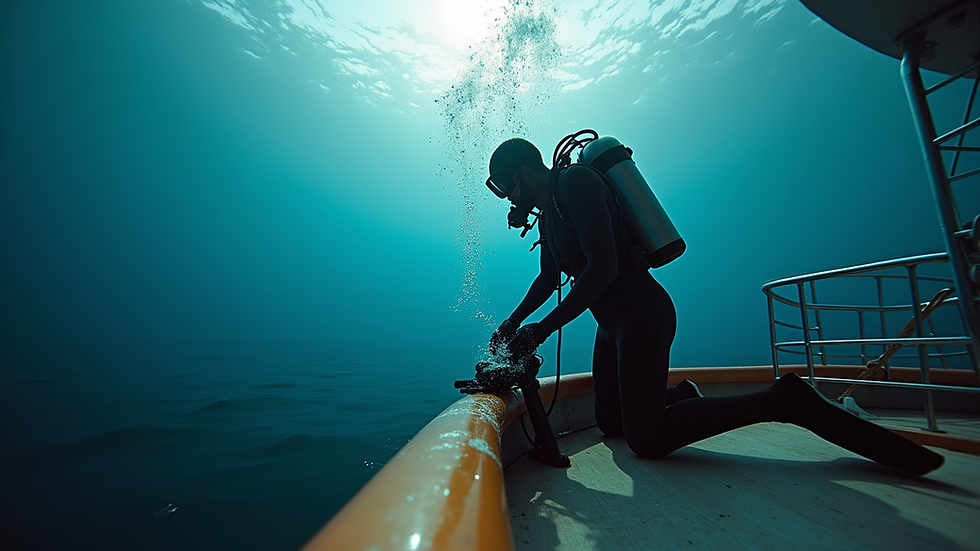
Diving into the ocean is like stepping into a whole new world - vibrant, mysterious, and full of life. But what if I told you that this incredible experience can be made accessible to everyone? Yes, everyone! Whether you have physical challenges, are new to the sport, or simply want to dive with a community that values inclusivity, there’s a way to make it happen. Today, I’m thrilled to share how inclusive diving practices are transforming the underwater adventure for all kinds of divers. Ready to explore? Let’s dive in!
Why Inclusive Diving Practices Matter
Imagine the ocean as a vast, welcoming playground. Shouldn’t everyone have the chance to play? Inclusive diving practices are about breaking down barriers - physical, social, and psychological - so that anyone can experience the magic beneath the waves. It’s not just about accessibility; it’s about community, empowerment, and conservation.
Here’s why it’s so important:
Empowerment through Experience: Diving can boost confidence and independence, especially for people with disabilities.
Building Diverse Communities: When we open the ocean to all, we create richer, more vibrant diving communities.
Enhancing Conservation Efforts: Inclusive programs often involve local communities and children, fostering a lifelong love for ocean protection.
Expanding Opportunities: Adaptive diving programs create jobs and partnerships with NGOs, multiplying positive impacts globally.
By embracing inclusive diving practices, we’re not just opening doors - we’re building bridges to a healthier ocean and a more connected world.

How Inclusive Diving Practices Work: Practical Steps and Tools
So, how do we make diving accessible to everyone? It’s a blend of smart equipment, tailored training, and a supportive community. Here’s a quick rundown of what inclusive diving looks like in action:
1. Adaptive Equipment
Modified Regulators and Masks: Designed for easier breathing and better fit.
Specialized Buoyancy Devices: Help maintain balance and control underwater.
Wheelchair-Friendly Boats and Ramps: Smooth transitions from land to sea.
Communication Tools: Hand signals and underwater writing slates for clear interaction.
2. Customized Training Programs
One-on-One Coaching: Personalized lessons to build skills and confidence.
Peer Support: Buddy systems that encourage teamwork and safety.
Safety Protocols: Extra attention to medical needs and emergency plans.
3. Community Engagement
Local Partnerships: Collaborations with NGOs and coastal groups to reach more people.
Youth Programs: Teaching children about ocean conservation through diving.
Awareness Campaigns: Promoting inclusivity and ocean stewardship.
These steps create a welcoming environment where everyone can thrive. And guess what? You don’t have to be an expert to get involved. Whether you’re a seasoned diver or just curious, there’s a place for you in this movement.

What Happens to Your Body When You Dive?
Diving is a full-body experience that challenges and delights in equal measure. Understanding what happens to your body underwater helps us appreciate why adaptive techniques are so crucial.
The Science Behind the Dive
Pressure Changes: As you descend, water pressure increases, affecting your ears, lungs, and sinuses. Equalizing pressure is key.
Breathing Underwater: Using a regulator changes how you breathe - slower, deeper breaths help conserve air and stay calm.
Temperature Regulation: Water conducts heat away from your body faster than air, so wetsuits and drysuits keep you warm.
Buoyancy Control: Mastering buoyancy lets you float effortlessly, protecting fragile coral reefs and marine life.
Why Adaptations Matter
For some, these physical demands can be challenging. Adaptive diving gear and techniques help manage these effects safely. For example:
Divers with limited leg mobility might use specialized fins or propulsion devices.
Those with respiratory issues can benefit from tailored breathing equipment.
Communication tools ensure safety when verbal cues aren’t possible.
By understanding and respecting these bodily changes, inclusive diving becomes not just possible but enjoyable and safe for everyone.

How You Can Support and Get Involved
Feeling inspired? You should be! Inclusive diving is more than a concept - it’s a call to action. Here’s how you can jump in and make waves:
Support Local and Global Initiatives
Donate or Volunteer: Organizations like The Mother Ocean Fund partner with NGOs to fund adaptive diving and coral restoration projects.
Spread the Word: Share stories and info about inclusive diving to raise awareness.
Participate in Events: Join community dives, workshops, or conservation efforts.
Advocate for Accessibility
Encourage dive shops and schools to offer adaptive programs.
Promote policies that support inclusive outdoor activities.
Help create safe, welcoming spaces for all divers.
Educate Yourself and Others
Learn about the challenges faced by adaptive divers.
Understand ocean conservation issues and how diving helps.
Teach children and community members about the ocean’s importance.
By taking these steps, you’re not just supporting a cause - you’re becoming part of a global movement to protect our oceans and empower every individual to explore them.
The Future of Diving is Inclusive and Bright
The ocean is calling, and it’s calling for all of us. Inclusive diving practices are transforming the way we connect with the sea, making it a place where everyone belongs. From adaptive gear to community programs, the possibilities are endless.
If you want to learn more about *adapting to dive*, check out the incredible work being done to multiply adaptive diver and coral restoration scuba diving excursions worldwide. Together, we can build a future where the ocean’s wonders are accessible to all, and where conservation efforts thrive through diverse, passionate communities.
So, what are you waiting for? Dive in, embrace inclusivity, and help protect our blue planet for generations to come!
Let’s keep the ocean open, vibrant, and full of life - for everyone.


Comments