
Three Effective Invasive Species Removal Strategies
- Mother Ocean Fund (MOF)
- Aug 26, 2025
- 4 min read
Imagine the ocean as a vast, vibrant city bustling with life. Now, picture unwelcome guests moving in, disrupting the harmony, and threatening the delicate balance. That’s exactly what invasive species do to our precious marine ecosystems. But fear not! We have powerful tools and strategies to fight back and restore the natural rhythm of our underwater world. Today, I’m thrilled to share with you three effective invasive species removal strategies that are making waves in managing invasive species challenges. Ready to dive in? Let’s go!
Understanding the Importance of Managing Invasive Species Challenges
Before we jump into the strategies, let’s take a moment to understand why managing invasive species challenges is so crucial. Invasive species are non-native organisms that invade new habitats, often outcompeting native species for resources. This invasion can lead to devastating consequences like loss of biodiversity, altered habitats, and even economic damage to coastal communities.
For example, the lionfish invasion in the Atlantic Ocean has caused significant harm to coral reefs by preying on native fish and competing for food. If left unchecked, these invaders can turn vibrant reefs into barren landscapes. That’s why proactive management is essential to protect our oceans and the communities that depend on them.

Managing invasive species challenges requires a combination of science, community effort, and innovative techniques. It’s not just about removing the invaders but restoring balance and resilience to the ecosystem. And guess what? You can be part of this exciting journey!
Three Powerful Strategies for Invasive Species Removal
Now, let’s get to the heart of the matter. Here are three proven strategies that are making a real difference in invasive species removal:
1. Manual Removal and Targeted Harvesting
Sometimes, the best way to fight invaders is hands-on. Manual removal involves physically extracting invasive species from affected areas. This method is especially effective for species like invasive seaweed, lionfish, or certain invasive crabs.
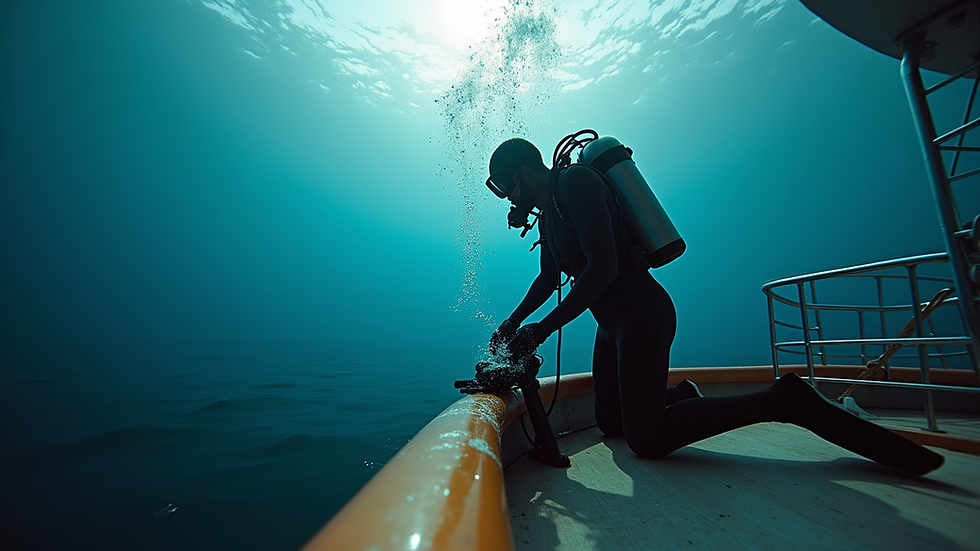
For instance, divers equipped with spears or nets can selectively remove lionfish from coral reefs. This targeted harvesting not only reduces the invasive population but also provides an opportunity to use the removed species sustainably—lionfish, for example, can be turned into delicious dishes!
Actionable tips:
Organize community dive events focused on invasive species removal.
Train volunteers on safe and effective removal techniques.
Partner with local restaurants to promote invasive species as sustainable seafood.
This hands-on approach empowers communities and creates a direct impact. Plus, it’s incredibly rewarding to see the immediate results of your efforts!
Is it illegal to release an invasive species?
You might be wondering, “Is it illegal to release an invasive species?” The answer is a resounding yes! Releasing invasive species into new environments is not only harmful but also illegal in many regions. Laws and regulations are in place to prevent the spread of these species because their introduction can cause irreversible damage.
For example, releasing non-native aquarium fish or plants into local waterways can lead to new invasions. These laws are designed to protect native ecosystems and the livelihoods that depend on them.
What you can do:
Never release pets or plants into the wild.
Report sightings of invasive species to local authorities.
Educate others about the risks and legal consequences.
By respecting these laws, we all contribute to safeguarding our oceans and coastal habitats.
Biological Control: Nature’s Own Solution
Imagine calling in reinforcements from nature itself! Biological control uses natural predators, parasites, or diseases to keep invasive species in check. This strategy is like enlisting a superhero squad to restore balance.
For example, certain parasitic wasps have been introduced to control invasive aquatic plants. In marine environments, scientists are exploring ways to use native predators to reduce invasive populations without harming the ecosystem.
Key points to consider:
Biological control must be carefully researched to avoid unintended consequences.
It’s a long-term strategy that complements manual removal.
Collaboration between scientists and local communities is essential.
This method harnesses the power of nature, offering a sustainable and eco-friendly way to tackle invasive species.

Chemical Control: When Precision is Key
Chemical control involves using herbicides or pesticides to target invasive species. While it sounds intense, when done responsibly, it can be a valuable tool in the arsenal against invasives.
For example, selective herbicides have been used to control invasive seaweed species that smother coral reefs. The key is precision—applying chemicals in a way that minimizes harm to native species and the environment.
Best practices include:
Using chemicals approved for aquatic environments.
Applying treatments during times when native species are less vulnerable.
Monitoring treated areas closely to assess effectiveness and recovery.
Chemical control is often combined with other strategies to maximize success and restore ecosystems faster.
Join the Movement: Together We Can Protect Our Oceans!
The fight against invasive species is a collective adventure. Whether you’re a diver, a coastal dweller, or simply someone who loves the ocean, your actions matter. By supporting initiatives focused on invasive species removal, you’re helping to multiply efforts that protect coral reefs, marine life, and coastal communities worldwide.
Imagine the joy of swimming in crystal-clear waters teeming with native fish, knowing you played a part in making that happen. It’s not just a dream—it’s a future we can create together.

So, what are you waiting for? Dive into action, spread the word, and be a guardian of our blue planet. The ocean’s story is still being written, and with these strategies, we’re turning the tide in favor of life, beauty, and resilience.
Keep the Momentum Going: Your Role in Ocean Conservation
Every small step counts. From educating friends about the dangers of invasive species to joining local removal efforts, your involvement fuels the momentum needed for lasting change. The Mother Ocean Fund is leading the charge, partnering with local NGOs and divers to expand these impactful programs globally.
Together, we’re not just managing invasive species challenges—we’re nurturing hope, healing ecosystems, and inspiring future generations to cherish and protect our oceans.
Let’s keep swimming forward, hand in hand, toward a healthier, more vibrant ocean for all!


Comments