
The Importance of Marine Conservation Programs
- Mother Ocean Fund (MOF)
- Nov 3, 2025
- 5 min read
Updated: Feb 2
Imagine the ocean as a giant, living web where every creature plays a vital role. When one strand breaks, the whole web weakens. That’s why marine conservation programs are so crucial. They help protect coral reefs, safeguard endangered species, and restore damaged habitats. But it’s not just about saving fish and turtles. Healthy oceans mean healthier air, stable climates, and thriving coastal communities.
These programs often combine science, community action, and policy changes to create lasting impact. They empower local people, educate the next generation, and promote sustainable practices. And here’s the exciting part - you can be part of this wave of change too!

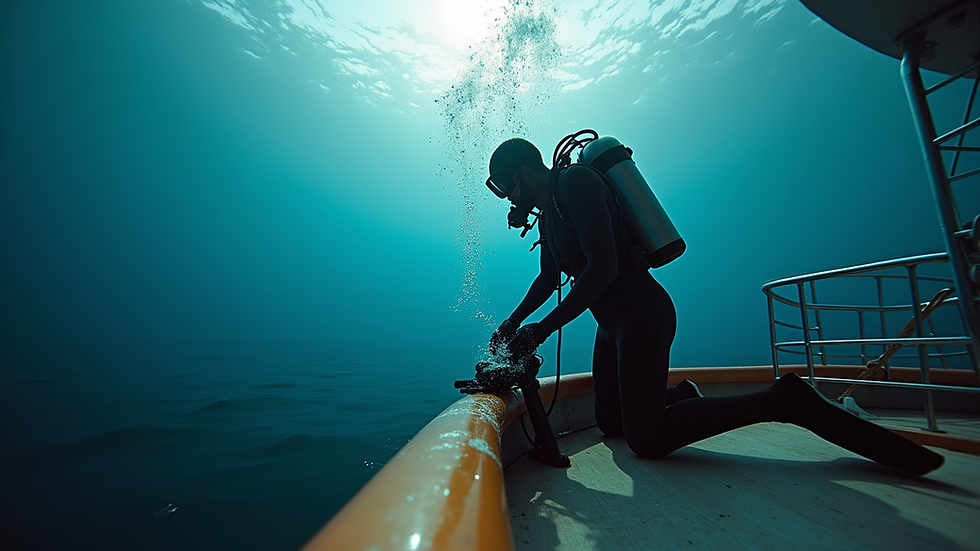
Coral reef restoration is a key focus of many marine conservation programs.
How Marine Conservation Programs Make a Difference
So, how do these programs actually make a difference? It’s a mix of smart strategies and hands-on work. Here’s a quick breakdown:
Research and Monitoring: Scientists study marine life and habitats to understand what’s happening beneath the waves. This data guides conservation actions.
Habitat Restoration: Damaged coral reefs and seagrass beds are brought back to life through planting and protection efforts.
Sustainable Fishing Practices: Programs work with fishermen to reduce bycatch and overfishing, ensuring fish populations can recover.
Community Engagement: Local communities are involved in decision-making and conservation activities, making efforts more effective and lasting.
Education and Awareness: Schools, tourists, and the public learn about ocean health and how to protect it.
Policy Advocacy: Conservation groups push for laws and regulations that protect marine environments.
By combining these approaches, marine conservation programs create a powerful ripple effect that benefits both nature and people.
Inspiring Examples of Conservation Efforts
Let’s get specific! Here are some inspiring examples of marine conservation programs making waves around the world:
Coral Restoration Projects: In places like the Great Barrier Reef and the Caribbean, divers plant coral fragments to rebuild damaged reefs. These underwater gardens provide shelter for countless species and help fight climate change by absorbing carbon dioxide.
Marine Protected Areas (MPAs): These are ocean zones where human activity is limited to protect biodiversity. The Papahānaumokuākea Marine National Monument in Hawaii is one of the largest MPAs, safeguarding rare species and cultural heritage.
Community-Led Conservation: In the Philippines, local fishers manage their own marine reserves, combining traditional knowledge with modern science. This approach has boosted fish stocks and improved livelihoods.
Plastic Pollution Cleanup: Organizations organize beach cleanups and develop innovative solutions to reduce plastic waste entering the ocean.
Sustainable Tourism Initiatives: Dive operators and resorts promote eco-friendly practices, educating visitors on how to enjoy the ocean responsibly.
These examples show that conservation is not just about protecting nature - it’s about creating a future where humans and oceans thrive together.

Marine protected areas are vital for conserving ocean biodiversity.
How You Can Get Involved in Marine Conservation Programs
Feeling inspired? You should! Everyone has a role to play in protecting our oceans. Here’s how you can jump in:
Support Organizations: Donate or volunteer with groups like The Mother Ocean Fund, which partners with local NGOs to multiply their impact.
Adopt Sustainable Habits: Reduce single-use plastics, choose sustainable seafood, and minimize your carbon footprint.
Join Citizen Science Projects: Participate in beach cleanups, coral monitoring, or fish counts.
Spread the Word: Share what you learn about marine conservation with friends, family, and your community.
Get Certified in Eco-Diving: If you love diving, seek out programs that focus on coral restoration and responsible diving practices.
By taking these steps, you become part of a global movement that’s turning the tide for our oceans.
The Future of Marine Conservation Programs
The future looks bright when we work together! Advances in technology, like underwater drones and AI, are helping scientists monitor ocean health more effectively. New partnerships between governments, NGOs, and businesses are scaling up conservation efforts worldwide.
But the real magic happens when communities unite with passion and purpose. The Mother Ocean Fund is a shining example, multiplying adaptive diver and coral restoration scuba diving excursions globally. Their work shows that when we combine knowledge, action, and heart, we can create oceans that flourish for generations to come.
So, what’s next? Keep learning, keep caring, and keep swimming forward! The ocean’s story is still being written - and you’re a vital part of it!
Dive deeper into marine conservation efforts and discover how you can help protect our blue planet today!
The Role of Education in Marine Conservation
Education plays a crucial role in marine conservation. It empowers individuals with knowledge about the ocean's importance and the threats it faces. Schools and organizations are developing programs that teach children about marine ecosystems. This knowledge fosters a sense of responsibility and encourages future generations to take action.
Engaging the Next Generation
Imagine children learning about coral reefs, sea turtles, and the impact of plastic pollution. They can participate in hands-on activities like beach cleanups and marine biology workshops. These experiences ignite a passion for the ocean and inspire them to become advocates for marine conservation.
Community Workshops and Events
Community workshops are another fantastic way to spread awareness. Local organizations often host events where people can learn about sustainable practices. These gatherings create a sense of community and encourage collaboration. When individuals come together, they can share ideas and develop innovative solutions to protect marine environments.
The Impact of Technology on Marine Conservation
Technology is revolutionizing marine conservation. From satellite imagery to underwater drones, new tools are enhancing our understanding of ocean health. These advancements allow scientists to monitor ecosystems more efficiently and accurately.
Innovative Solutions for Ocean Health
For example, researchers use drones to survey coral reefs and assess their condition. This data helps identify areas in need of restoration. Additionally, mobile apps are being developed to engage citizens in reporting marine life sightings and pollution. These contributions provide valuable information for conservation efforts.
The Power of Social Media
Social media also plays a significant role in raising awareness. Organizations can share their work and successes, inspiring others to get involved. Viral campaigns can mobilize communities and encourage action on a larger scale. The ocean's voice is amplified, reaching individuals who may not have been aware of the issues.
The Global Nature of Marine Conservation
Marine conservation is a global effort. Oceans connect us all, and the challenges they face require collaboration across borders. Countries are working together to establish marine protected areas and share best practices.
International Agreements and Cooperation
International agreements, such as the Paris Agreement, emphasize the importance of protecting marine ecosystems. These treaties encourage countries to commit to sustainable practices and reduce their carbon footprints. By working together, nations can create a united front against climate change and its impact on the oceans.
Local Actions with Global Impact
While global cooperation is essential, local actions matter too! Every small effort contributes to a larger movement. Whether it’s a beach cleanup or advocating for sustainable fishing practices, individuals can make a difference. Together, these local actions create a ripple effect that can lead to significant change.
Conclusion: A Call to Action
The ocean is calling, and it needs our help! Marine conservation programs are vital for protecting our blue planet. They empower communities, restore ecosystems, and promote sustainable practices. By getting involved, we can all play a part in this important work.
So, let’s take action! Support organizations, educate others, and adopt sustainable habits. Together, we can ensure healthier oceans for generations to come. The future of our oceans is in our hands, and it’s time to dive in!


Comments